
In English and in Welsh; yn Saesneg ac yn Gymraeg
December 2025
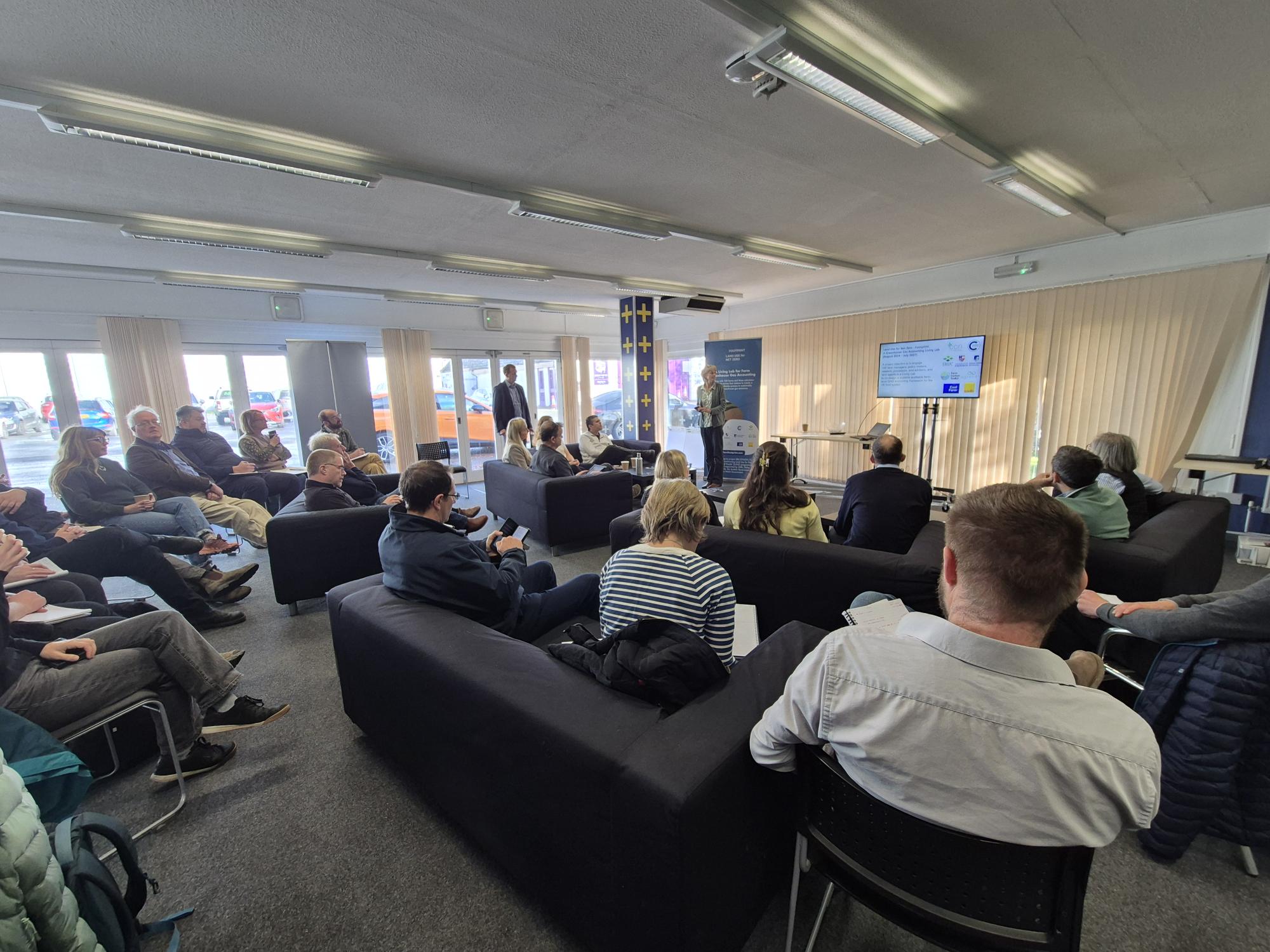
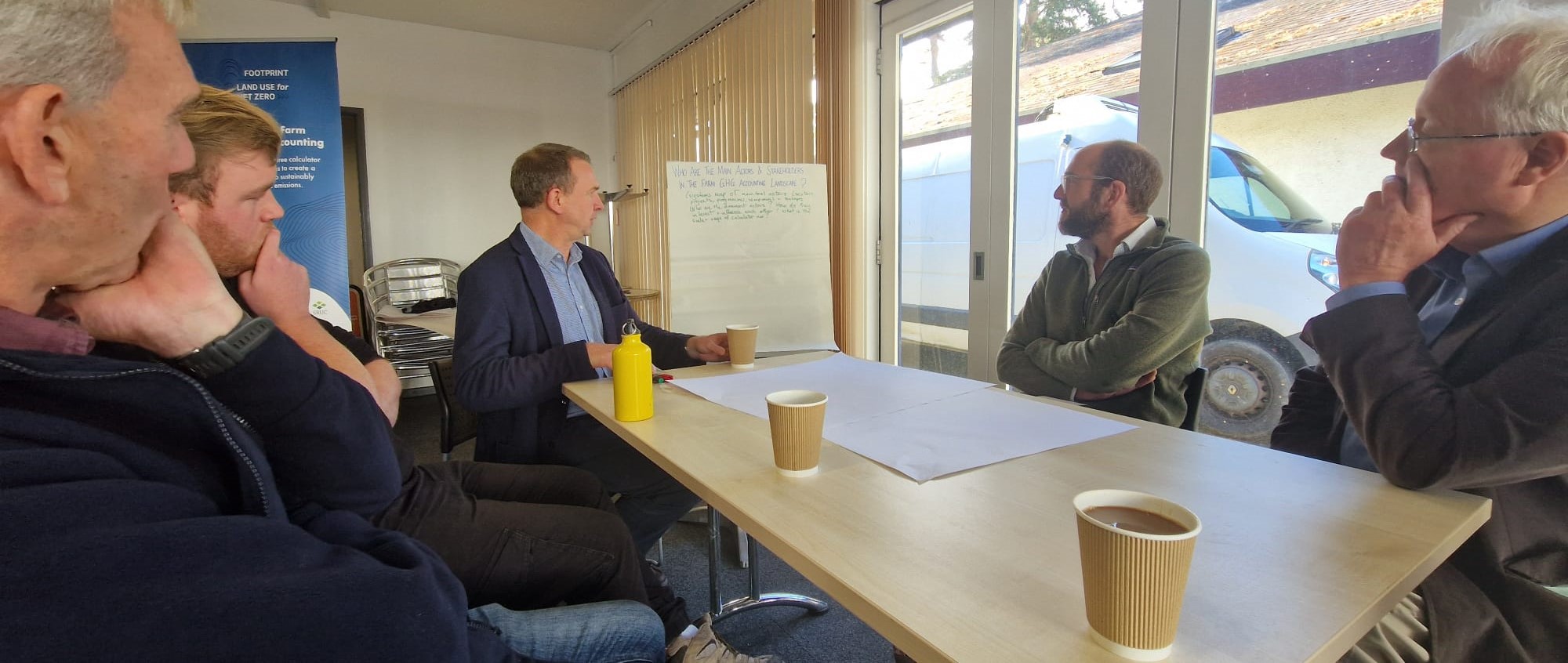
The fifth LUNZ Footprint insight event took place at the Harper Adams Pavilion at the Royal Welsh Showground on 24 October 2025. The meeting brought together a diversity of people from across Wales and beyond to learn about the project and share their views. Julie Ingram and Paul Burgess gave an initial introduction of the project, followed by a greenhouse gas assessment company perspective by Emyr Williams from Farm Carbon Toolkit. Sarah Jones, who is an Agriculture Policy Manager with the Welsh Government, provided an overview of the Sustainable Farming Scheme (SFS) and the planned Farm Level Carbon Baseline in Wales. The second half of the event used a ‘world café’ format to address three questions:
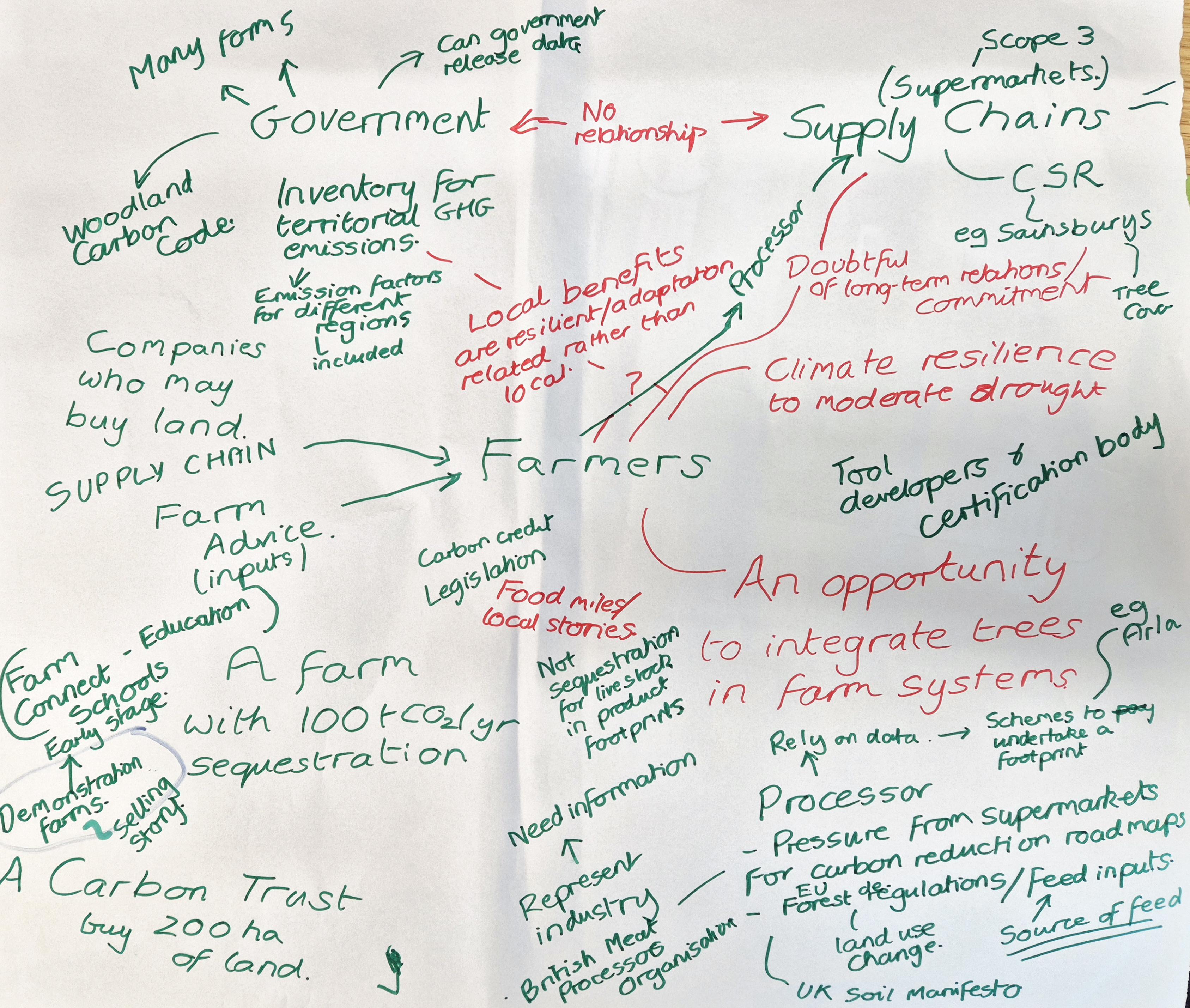
Who are the main actors and stakeholders in the farm GHG accounting ecosystem/landscape?
The main people and organisations in this ecosystem include farmers, processors, retailers, and government. Banks and insurers were seen as increasingly influential in this GHG assessment space as they seek to better understand who they are lending money to. There was some concern about the different stakeholders have competing objectives. Processors at the event described their own net zero targets and new regulatory requirements e.g. on deforestation, and the need to support supermarkets achieve their own targets. Some concern was raised about agricultural land being bought by external organisations to store carbon.
What is the nature and extent of knowledge and understanding about GHG accounting and carbon calculator across the ecosystem?
The current footprinting ‘ecosystem’ was described as confusing and complex and was making some farmers fearful. Education and advice were considered essential with demonstration farms an additional and important resource. Some questions were asked about the capacity of the advisory community to respond to the complexity of the challenge. It was often felt that the agricultural community was more likely to respond positively when the (net zero) discussion was framed as an opportunity to improve resilience rather than for delivering national GHG targets. The quantity and quality and value of numbers and data to both farmers and advisers were hotly debated especially as context is critical. The Welsh Government’s farm level carbon baseline was seen as an opportunity to help improve farmers’ understanding and to see the benefits of their actions.
To what extent are farmers and advisers operating outside of supply chain contracts losing out on the opportunities for support and learning about GHG accounting?
Financial viability was seen as critical to success. Whilst it was felt that farmers should be rewarded for their choices, the prospect of incentives was unclear with supply chain premiums generally considered unlikely. Some supply chains were seen as proactive and supportive, and an example was given of a company substituting ingredients to reduce its Scope 3 emissions. Participants reported that trees are seen as a threat by many Welsh farmers. This stems from a previous Welsh Government requirement to plant 10% of each farm with trees (which is no longer the case) together with examples of land being bought for carbon sequestration. There was still strong support for ‘the right tree in the right place’.
The responses to the above questions are now being examined alongside those from the other workshops and other sources with the objectives of improving the confidence of stakeholders along the agri-food chain in tool credibility and the underlying models and identifying just and effective governance principles when using GHG assessments.
Rhagfyr 2025
Cynhaliwyd y pumed gweithdy Ôl-troed Defnydd Tir ar gyfer Sero Net/ Land Use for Net Zero (LUNZ) Footprint ym mhafiliwn Harper Adams ar Faes Sioe Frenhinol Cymru ar 24 Hydref 2025. Daeth y cyfarfod â phobl amrywiol o bob rhan o Gymru a thu hwnt at ei gilydd i ddysgu am y prosiect a rhannu eu barn. Rhoddodd Julie Ingram a Paul Burgess gyflwyniad cychwynnol am y prosiect, a dilynwyd hynny gan safbwynt cwmni asesu nwyon tŷ gwydr gan Emyr Williams o’r Farm Carbon Toolkit. Darparodd Sarah Jones, sy’n Rheolwr Polisi Amaethyddiaeth gyda Llywodraeth Cymru, drosolwg o’r Cynllun Ffermio Cynaliadwy (SFS) a’r Sylfaen Carbon Lefel Fferm a gynlluniwyd yng Nghymru. Defnyddiwyd fformat ‘caffe byd’ yn ail hanner y gweithdy i ateb tri chwestiwn
Pwy yw’r prif actorion a rhanddeiliaid yn ‘ecosystem’ cyfrif nwyon tŷ gwydr ffermydd?
Mae’r brif bobl a sefydliadau yn yr ecosystem hon yn cynnwys ffermwyr, proseswyr, archfarchnadoedd, a’r llywodraeth. Cafodd banciau a chwmnïau yswiriant eu nodi hefyd fel actorion sy’n dod yn fwyfwy dylanwadol yn y maes asesu nwyon tŷ gwydr, wrth iddynt geisio deall yn well risgiau hinsawdd a phroffiliau allyriadau’r rhai y maent yn eu hariannu neu’n eu hyswirio. Mynegwyd pryderon ynghylch y ffaith bod gan wahanol randdeiliaid amcanion a chymhellion sy’n gallu bod yn gystadleuol. Er enghraifft, disgrifiodd proseswyr yn y digwyddiad eu targedau sero net a gofynion rheoleiddiol newydd (megis rheoli datgoedwigo), yn ogystal â’r angen i gefnogi archfarchnadoedd i gyflawni eu targedau cynaliadwyedd eu hunain. Codwyd pryderon hefyd ynghylch prynu tir amaethyddol gan sefydliadau allanol at ddibenion storio carbon, a goblygiadau hyn ar gyfer defnydd tir a chymunedau gwledig.
Beth yw natur a maint y wybodaeth a’r ddealltwriaeth am gyfrifo nwyon tŷ gwydr a chyfrifiannell garbon?
Disgrifiwyd yr ‘ecosystem’ presennol fel cymhleth ac yn peri dryswch, gan wneud rhai ffermwyr yn ofnus. Ystyriwyd addysg a chyngor yn hanfodol, gyda ffermydd arddangos yn adnodd ychwanegol a phwysig. Gofynnwyd rhai cwestiynau am gapasiti’r gymuned gynghori i ymateb i gymhlethdod yr her. Yn aml, teimlwyd mai’r gymuned amaethyddol oedd fwyaf tebygol o ymateb yn gadarnhaol pan oedd y drafodaeth (net sero) wedi’i fframio fel cyfle i wella gwydnwch yn hytrach na chyflawni targedau cenedlaethol. Trafodwyd maint, ansawdd a gwerth rhifau i ffermwyr ac ymgynghorwyr yn eithaf trylwyr, yn enwedig gan fod cyd-destun yn hanfodol. Edrychwyd ar sylfaen garbon lefel fferm Llywodraeth Cymru fel cyfle i helpu i wella dealltwriaeth ffermwyr a gweld manteision eu gweithredoedd.
I ba raddau mae ffermwyr a chynghorwyr sy’n gweithredu y tu allan i gontractau cadwyn gyflenwi yn colli allan ar gyfleoedd i gael cymorth a dysgu am gyfrifo nwyon tŷ gwydr?
Roedd cynaliadwyedd ariannol yn cael ei ystyried yn hanfodol i lwyddiant. Er y teimlwyd y dylai ffermwyr gael eu gwobrwyo am eu dewis, nid oedd y posibilrwydd o gael cymhellion yn glir gyda phrisiau ychwanegol cadwyn gyflenwi yn gyffredinol yn cael eu hystyried yn annhebygol. Roedd rhai cadwyni cyflenwi yn cael eu gweld fel gweithgar ac yn gefnogol, ac enghraifft a roddwyd oedd cwmni’n disodli cynhwysion i leihau ei allyriadau Cwmpas 3. Adroddodd cyfranogwyr fod coed yn cael eu hwynebu fel bygythiad gan lawer o ffermwyr yng Nghymru. Mae hyn yn deillio o ofyniad blaenorol gan Lywodraeth Cymru i blannu 10% o bob fferm â choed (nad yw hyn yn wir mwyach) ynghyd ag enghreifftiau o dir yn cael ei brynu ar gyfer atalydd carbon. Roedd cefnogaeth gryf yn parhau dros ‘y goeden iawn yn y lle iawn’.
Mae’r ymatebion i’r cwestiynau uchod bellach yn cael eu hasesu ochr yn ochr â’r rhai o’r gweithdai eraill a ffynonellau eraill, gyda’r nod o wella hyder rhanddeiliaid ar hyd cadwyn amaeth-bwyd mewn hygrededd offer a’r modelau sylfaenol a nodi egwyddorion llywodraethu teg ac effeithiol wrth ddefnyddio asesiadau nwyon tŷ gwydr.
 LUNZ Footprint